
An Autotheoretical Approach to the “Troubled Teen” Archive
This is an abstract for a paper to be delivered in November 2026 and the PAMLA academic conference

Saramanda Swigart: “Rupture,” Digital Painting
Afterlives approaches my experiences in a “Troubled Teen” school through the lenses of autotheory and archival analysis, examining how survivor-generated digital collections function as counter-archives that both contest institutional narratives and produce new forms of knowledge. Blending autotheory with creative nonfiction, the project analyzes informal platforms such as Reddit and social media threads to trace how dispersed, fragmentary testimonies coalesce into a collective record of institutional harm. Rather than treating archives as neutral repositories, this analysis foregrounds the ways power shapes what is preserved, believed, and rendered legible. Drawing on critical trauma studies and Michelle Caswell’s concept of “urgent archives,” it situates the TTI within systems that rely on secrecy, denial, and the systematic discrediting of youth testimony. Within this context, survivor archives emerge as necessary interventions: Spaces where accounts long dismissed as unreliable or manipulative are aggregated, corroborated, and reframed as evidence. Through the accumulation of what Jean-François Lyotard would call petit récits, these archives interrupt dominant narratives that position Troubled Teen Industry programs as therapeutic or rehabilitative. In doing so, the project engages the conference theme “Our Ruling Classes: Culture, Power, Conflict” by exposing how institutional authority—aligned with legal, political, and cultural power—controls narrative legitimacy, and how survivor counter-archives generate conflict by reclaiming the right to define lived reality from below.
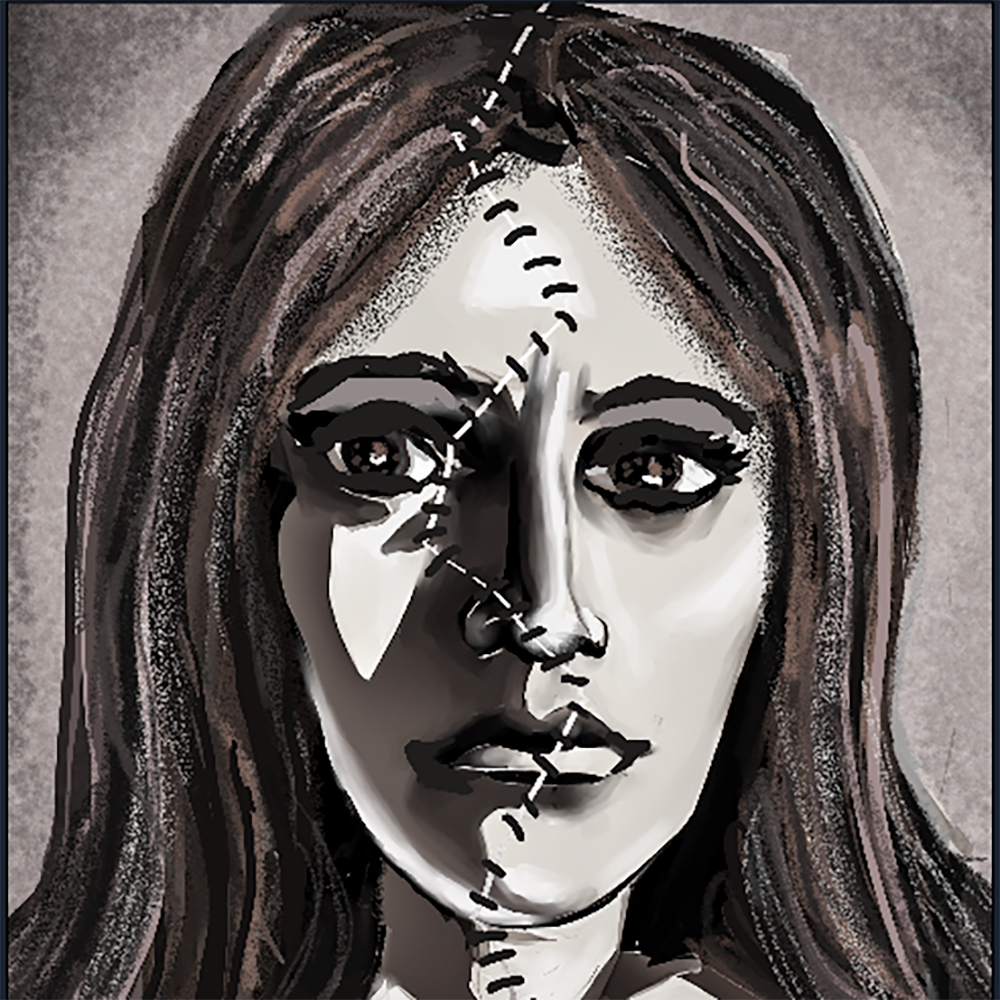
Saramanda Swigart: “Repair,” Digital Painting
Autotheory informs the methodology by positioning the researcher not outside the archive but within it. Personal narrative, scriptotherapeutic writing, and visual materials are analyzed as part of the archival field itself, revealing how affect, memory, and embodiment shape both the production and interpretation of records. This approach highlights the recursive relationship between individual testimony and collective documentation: Encounters with others’ stories destabilize self-blame and generate new forms of recognition, while also contributing to the archive’s expanding evidentiary force. Read in this way, the survivor-created site “UnSilenced.org” operates not only as a repository of survivor stories but as an active, evolving counter-archival ecosystem—one that links testimony to program histories, legal frameworks, and advocacy efforts. Its structure reveals patterns of coercion, dehumanization, and long-term trauma that remain obscured in official accounts. By transforming isolated narratives into a networked body of evidence, the archive redistributes epistemic authority and challenges the ideological conditions that have historically rendered these experiences unspeakable.