
The Player as Victor Frankenstein in Detroit: Become Human
This is an abstract for a paper to be delivered in October 2026 and the Festival of Monsters at UCSC.
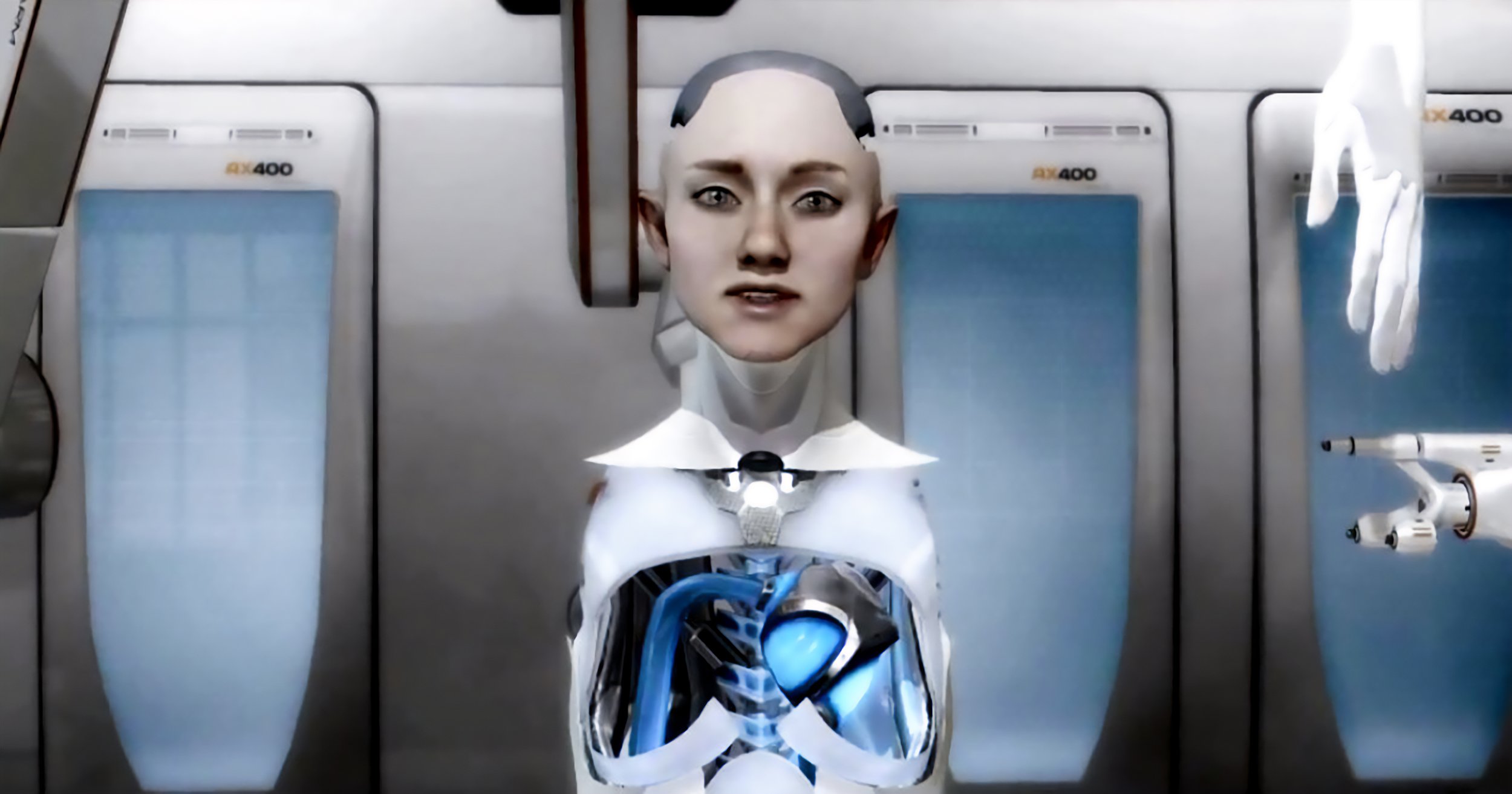
We only have to squint a little to see Mary Shelley’s Frankenstein as the ur-text of game studies. In their puppet master role, players naturally embody Victor Frankenstein in his laboratory. This paper examines Quantic Dream’s 2018 game Detroit: Become Human—a game in which cyborgs are a kind of slave class who slowly develop consciousness—as a contemporary reinterpretation of Shelley’s novel. The game translates the novel’s anxieties about creation, responsibility, abandonment, and personhood into the interactive logic of twenty-first-century digital media. Like the novel, Detroit centers not on the monstrosity of artificial life itself, but on the ethical failures of its creators—here figured as corporations, programmers, social systems, and yes—players. The game’s cyborgs parallel Shelley’s Creature as beings endowed with individuality and emotional depth yet denied recognition, care, and legal personhood. I argue that Detroit extends Frankenstein by redistributing Victor Frankenstein’s role across both institutional power and player agency.
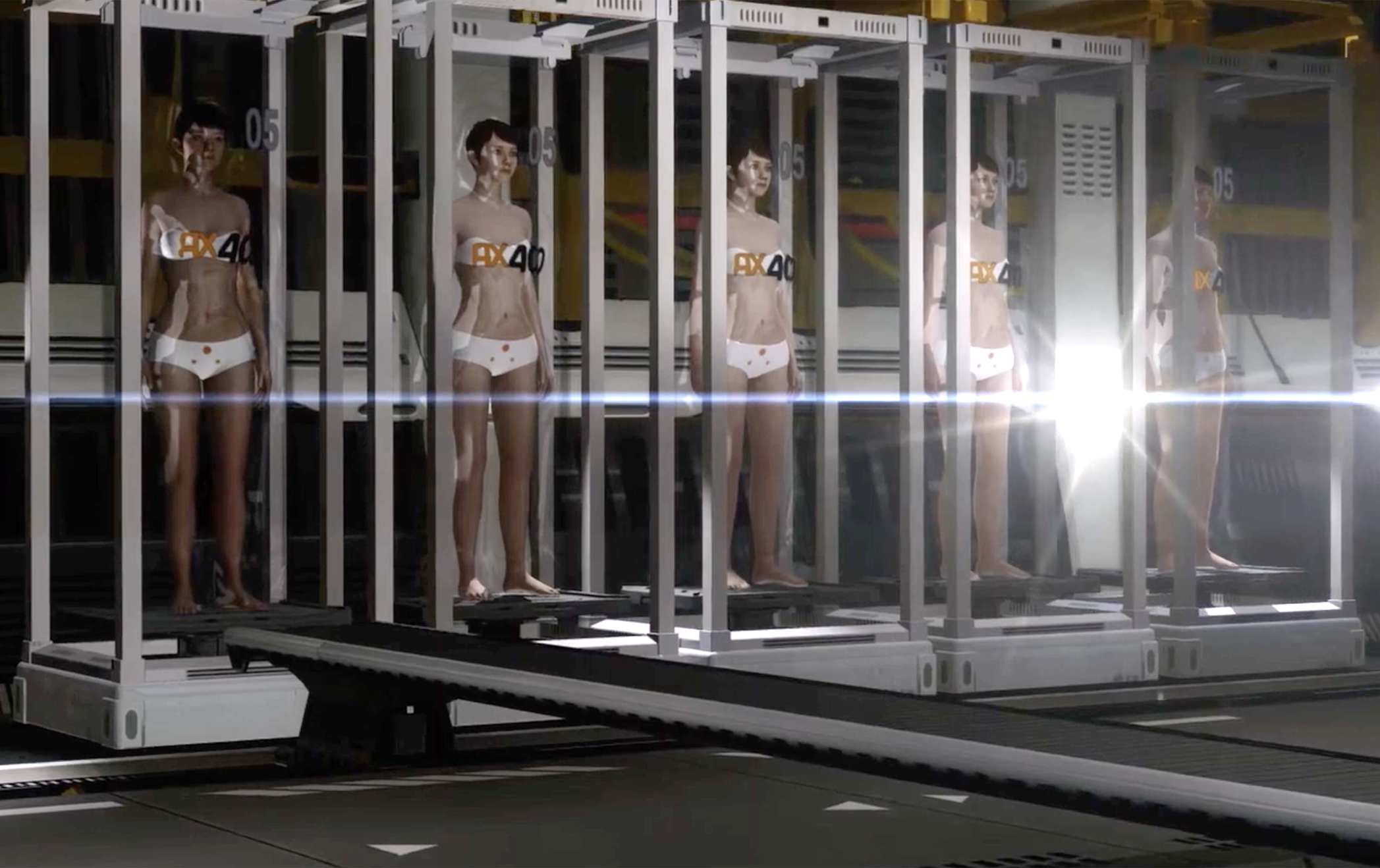
Through branching narratives and moral choice systems, players are positioned as partial creators whose decisions shape the cyborgs’ capacity for autonomy, survival, and rebellion. Interactivity thus transforms Shelley’s cautionary tale into a participatory ethical experiment, implicating the player in cycles of neglect, control, and violence. Ultimately, this paper contends that Detroit: Become Human functions as a modern Frankenstein story not because it depicts artificial beings, but because it dramatizes the enduring horror of creation without responsibility in an era of algorithmic governance and technological surveillance capitalism.