
Cruel Optimism, Monstrous Systems, and the Architecture of Fear in Saros
This paper is accepted as a chapter in Scary Levels (upcoming).

Housemarque’s 2026 videogame Saros remediates the contagious horror of Robert W. Chambers’ The King in Yellow by transforming textual infection into contagious play. In Chambers’ short story collection, the forbidden play The King in Yellow spreads madness through cognition, drawing readers into fantasies of hidden patterns and arcane knowledge. Saros translates this structure into gameplay. Set on the planet Carcosa, the game follows Enforcer Arjun Devraj as he searches for his missing wife amid a failed colonial mining expedition organized around the extraction of a miraculous energy source called Lucinite. Through death loops, upgrade economies, and environmental storytelling, the game aligns the player’s desires with Arjun’s increasingly unethical pursuit.
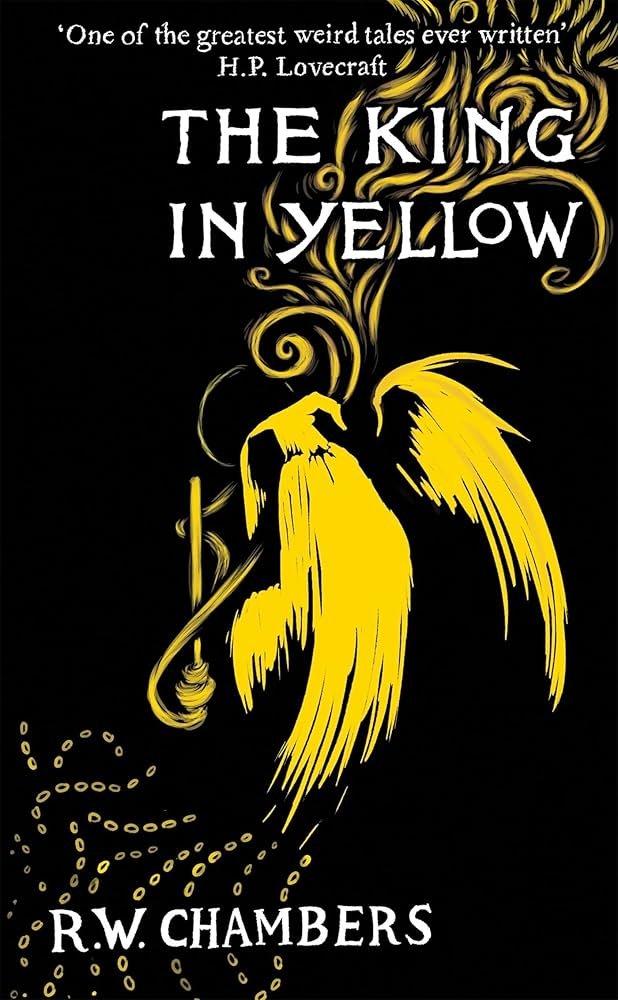
Drawing on Lauren Berlant’s concept of cruel optimism, Daniel Vella’s theory of the ludic sublime, Jeffrey Jerome Cohen’s monster theory, Michael Chemers and Analola Santana’s concept of monstrous utopias, and Clara Fernández-Vara’s understanding of games as performance, I argue that both The King in Yellow and Saros locate horror not in monsters themselves but in the larger systems that organize desire. Chambers’ dystopian America and Saros’ corporate-colonial mission each present progress and transcendence as desirable horizons while concealing the violence required to sustain them. Readers and players are invited to desire the very structures that entrap the protagonists. By examining Saros as a remediation of Chambers’ gothic critique, this paper demonstrates how contemporary videogames can proceduralize narrative themes into embodied player experiences. The game’s monsters ultimately prove secondary to a larger monstrosity: The extractive systems of capitalism, colonialism, and mastery that convert longing into participation. If Chambers’ forbidden play infects its readers, Saros makes infection playable, revealing how contemporary horror increasingly resides not in external threats but in the systems that teach us what to want.